



About the Books

Motivation and Knowledge
We think of a word like motivation, and we start to think about it and then want to take action. But do we truly know the meaning of motivation, the better understanding and knowledge of our thoughts and words will follow with better actions and results!
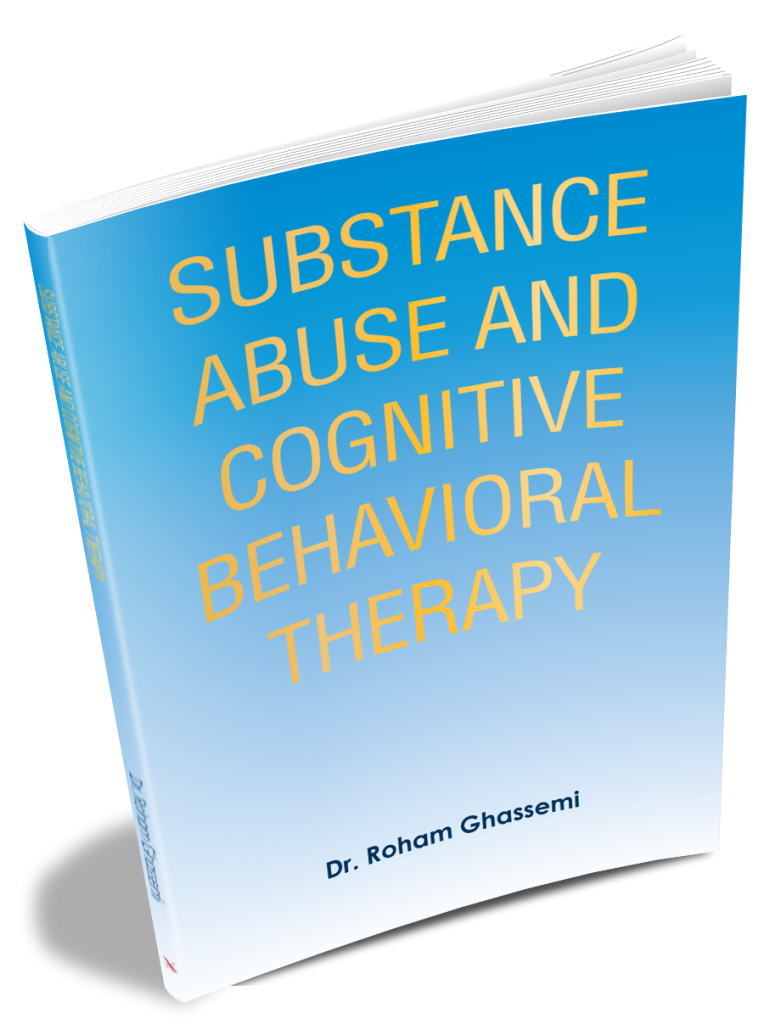
Substance Abuse and Cognitive Behavioral Therapy
Theory and research suggest that self-efficacy plays an important part in substance abusers’ decisions to change substance-related behavior, reduce substance use during treatment, and maintain treatment progress at follow-up. Self-evaluation and self-cognition can help individuals develop the self-efficacy to overcome substance abuse and make better life choices. The purpose of this investigation was to examine the current literature on substance abuse treatments, cognitive behavioral theory (CBT), self-efficacy theory, self-evaluation, and self-cognition strategies to identify components of the above that are empirically important and might logically be included in a substance abuse treatment program. Through a critical analysis of existing theory related to CBT and self-efficacy, the components that might be included in an intervention to reduce substance were identified.
The goal of the intervention would be to reduce substance abuse by helping participants become more aware of their feelings and reactions and changing them in ways that will support cessation of substance abuse. A 12-session, 6-week program for individuals ranging in age from 25 to 50 was developed. Components of the intervention include helping clients capture thoughts, feelings, sensations; identify and label feelings; identify positive and negative expectancies of substance abuse; demonstrate awareness of triggers for substance abuse; seek out alternative interpretations of substance abuse thoughts and behaviors; and modify existing cognitive structures.
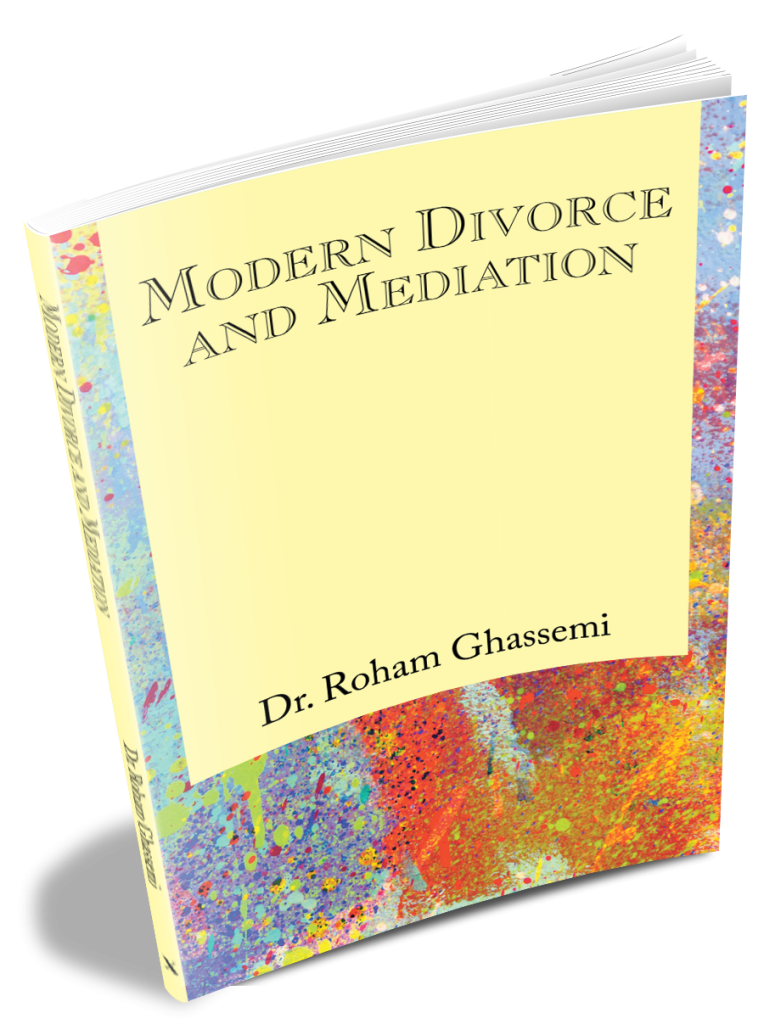
Modern Divorce and Mediation
The purpose of this book is to provide a brief explanation of mediation, specifically divorce mediation. It talks about the many benefits of divorce mediation over the adversarial process, which involves two attorneys representing the two sides to negotiate and argue on their behalf.
The reason I have called this book Modern Divorce is because of the way everything around us is taking a new and modern path in our everyday lives.
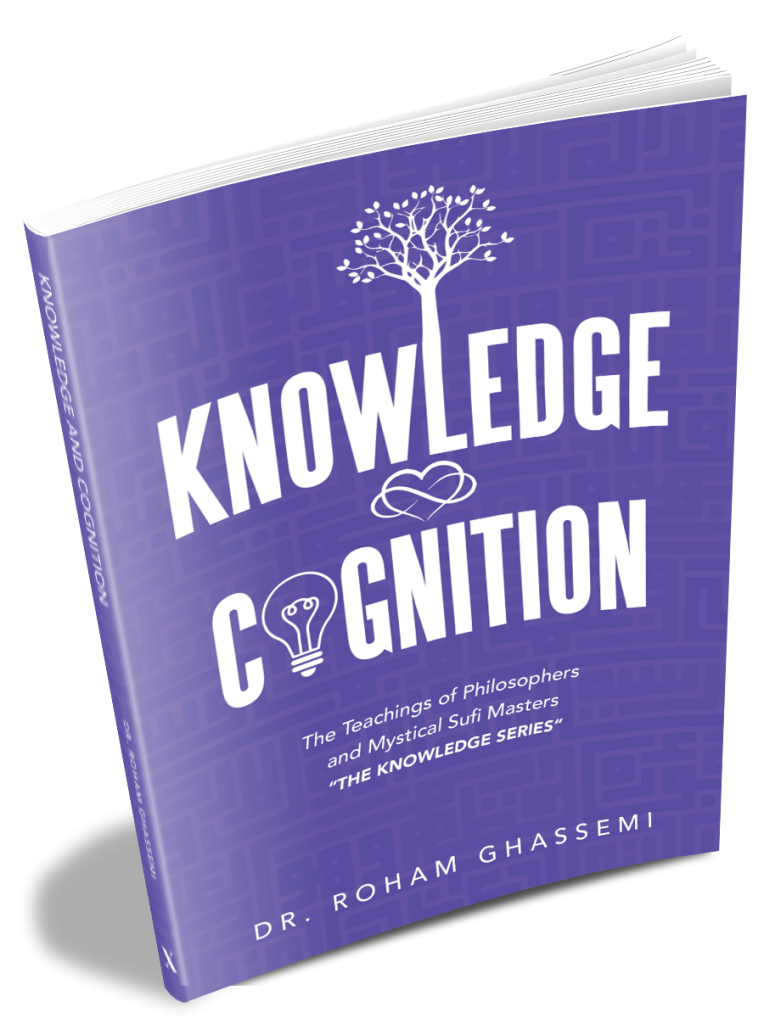
Knowledge and Cognition: The Teachings of Philosophers and Mystical Sufi Masters “The Knowledge Series “
We all want peace, tranquility and knowledge, but how do we learn it? Who truly knows the answer? Most of the time, we hear beautiful, attractive promises and words from different individuals claiming they can show us the path to peace, tranquility and knowledge. However, we seldom see any true results. Yet, if we really seek it wholly and look closely and patiently, the wise have provided us with the clues, so that we may need to discover the right path to begin learning.
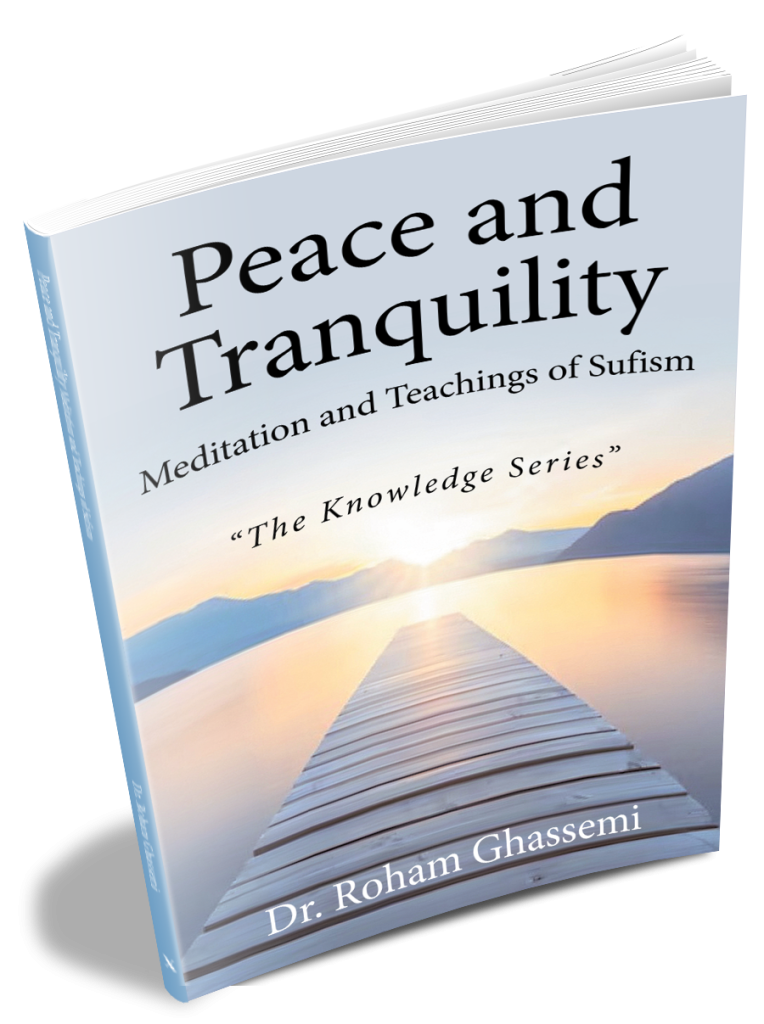
Peace and Tranquility Meditation and Teachings of Sufism: “The Knowledge Series”
This book is an offering of a deeper exploration of peace, addressing not just the physical and economic levels of well-being but extending to the psychological and inner dimensions. A true sense of peace should be stable across all facets of our existence, not merely confined to material achievements.
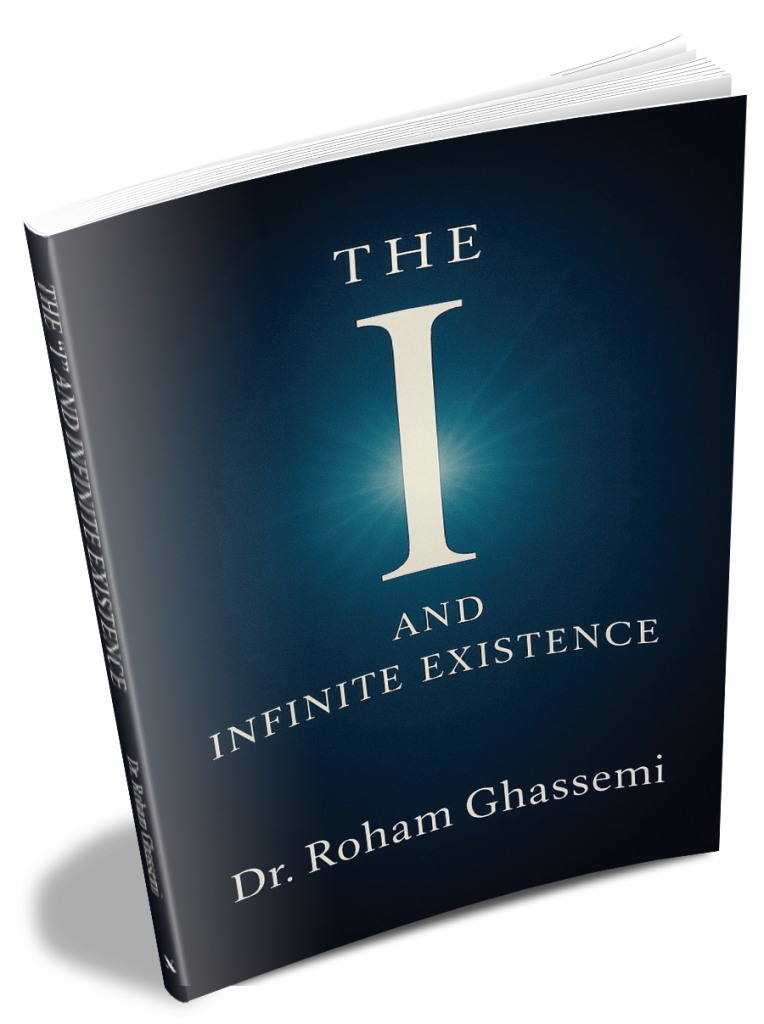
The “I” and Infinite Existence: Discovering Who You were Before the World Told You Who to Be
Most people live within invisible walls built by fear, memory, and belief – mistaking these limits for the self. The I invites you beyond them. Blending philosophy, science, and Sufi wisdom, Dr. Roham Ghassemi guides a return to the timeless awareness beneath identity. Through voices from Zoroaster to Rumi, Descartes to Jung, this journey reveals that the “I” you seek was never lost. It is the silent presence that has always been watching, waiting, and remembering itself.
 imunify-bot-check